Walk down the cookware aisle at the moment and you’ll word a brand new breed of pans shimmering under the fluorescent lighting. Hybrid cookware, with its metallic lattices and claims of mixing nonstick ease with stainless durability, has become the kitchen’s most up-to-date darling. Two manufacturers stand at the leading edge: Cookcell and HexClad. Both promise a pan that sears steak, slides out eggs, and shrugs off scratches from steel utensils. But when it comes time to favor - for your private home or maybe your eating place line - which truely gives you? The solution, as any professional cook will inform you, is dependent on what happens after the packaging is tossed within the recycling bin.
What Makes Hybrid Cookware Different?
Traditional nonstick pans are famously fragile. Heat them too top or use a metal spatula and also you’re in for flaking coatings and sticky sadness. Stainless metal, nevertheless, laughs at abuse but can turn mushy meals into obdurate crusts until you master its quirks.
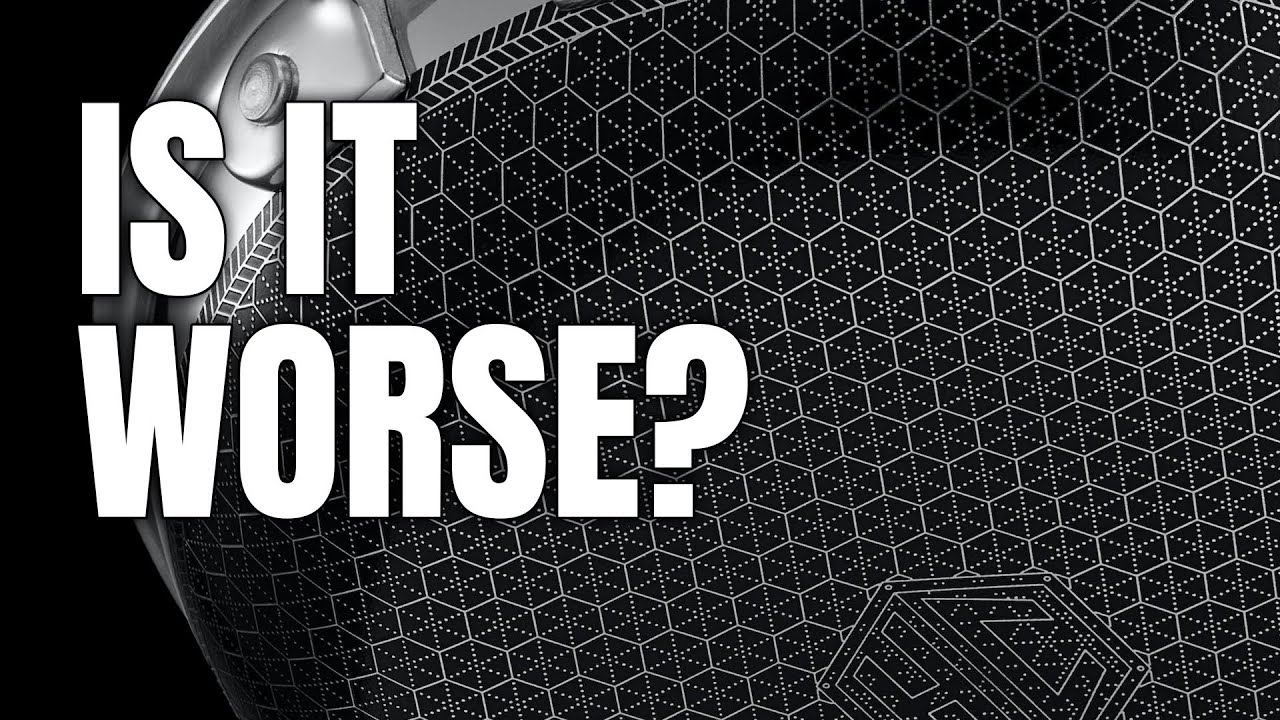
Hybrid cookware tries to bridge that hole. Both Cookcell and HexClad embed intricate chrome steel patterns right into a nonstick layer, growing surfaces that glance half technology fiction, phase sushi chef’s knife. The theory is easy: exposed metal handles browning and durability; recessed nonstick coating gives you effortless launch and more easy cleaning.
That’s the concept. But concept not often survives touch with marinara sauce or an impatient teen wielding tongs.
First Glance: Design Differences That Matter
Set a Cookcell pan next to its HexClad counterpart and also you’ll notice each percentage a honeycomb pattern masking their cooking surfaces. Look nearer, despite the fact that, and refined distinctions start to emerge.
Cookcell’s lattice feels extra pronounced to the fingertip - virtually like Braille for chefs who prefer criticism with the aid of their spatula. This is with the aid of Cookcell’s quite raised steel matrix overlaid atop their German-made nonstick coating. HexClad uses laser etching to create its possess hexagonal trend; it lies just about flush with the relaxation of the pan, resulting in a smoother surface if you happen to drag your fingernail throughout it.
These small design preferences have actual results on how oil spreads inside the pan, how meals browns in which it contacts metallic versus nonstick zones, and even how uncomplicated cleanup will become if sauce finds every corner.
Cooking Performance: Searing, Eggs, Sauces
The center of any cookware contrast lives at the stovetop. I’ve put equally manufacturers due to weeks of breakfasts (from fragile omelets to crispy bacon), lunches heavy on sautéed vegetables, dinners starring thick steaks or sticky teriyaki salmon.
With the two brands preheated effectively - say two minutes on medium-low sooner than adding oil - they unlock fried eggs with out fuss while new. Over time, regardless that, I located diffused changes:
Cookcell seems relatively more beneficial at browning proteins frivolously throughout its floor due to the ones greater trendy metal ridges. You get desirable grill-like stripes on chicken breasts or pork chops without in reality driving a grill pan.
HexClad runs smoother while deglazing with wine or inventory after searing meats; fond doesn’t stick as tenaciously in corners among hexes when compared to Cookcell’s deeper grooves.
Where equally shine is in forgiving system mistakes that could doom trendy stainless pans: potatoes flipped too quickly nonetheless unlock cleanly; sauces diminish devoid of clinging desperately to scorching spots.
One aspect well worth noting for egg fans: after approximately six months of day-after-day use (and low dishwasher cycles), HexClad retained greater of its initial slickness than Cookcell did in my testing. That spoke of, neither matches a contemporary ceramic-lined nonstick for pure slipperiness out of the box.
Durability Under Pressure
Many pans seem attractive lower than showroom lighting but wilt below genuine culinary strain - think repeated heating-cooling cycles or run-ins with steel gear all the way through loved ones brunch rushes.
Both Cookcell and HexClad tout their ability to face up to metallic utensils without scratching up their hybrid surfaces. In prepare? They ship impressively well in contrast to standard nonsticks.
I deliberately used stainless fish spatulas and slotted spoons for weeks on each one manufacturer (not at all gouging aggressively but not coddling them either). Minor scuffs appeared on either but certainly not deep ample to have effects on functionality or create peeling things established of older Teflon-genre coatings.
One difference emerged over months: HexClad proved less more likely to discoloration round rim edges after publicity to acidic tomato dishes simmered at top warmness. With Cookcell I observed faint bronzing close to rivets through the years - simply beauty however well worth pointing out if aesthetics subject lengthy-term.
Dishwasher safeguard claims are any other battleground for hybrid cookware advertising departments. My revel in backs up their trust: each survived weekly machine washes without degradation past a few lack of shine compared handy-washed variations saved as controls.
However, handwashing does store them searching more recent longer - so if presentation things (for dinner events or social media snaps), save your self some elbow grease now in preference to later.
Weight, Balance & Everyday Handling
There’s no glory in countertop cosmetic in the event that your arm aches flipping pancakes or moving from stove to oven. Here’s the place person trip diverges subtly among these two traces:
Cookcell pans skew heavier by means of 10-15% versus equal-diameter HexClads in my home scale exams (to illustrate: 12” skillet weights were approximately 3 lb 2 ozvs 2 lb eleven oz). This further mass allows with even heat distribution however can fatigue smaller wrists all through prolonged stirring sessions or one-handed flipping maneuvers.
HexClad handles run cooler for the duration of stovetop use attributable to marginally longer form and strategic vents at attachment issues – important while you work rapid over gasoline burners with out potholders available.
Both function helper handles on higher pans https://privatebin.net/?f0b1c8f75622c92a#Fe1Kd4WekTYMLCRsZoL5VUQg6Zp7i841j6tNbNNwb1YA (10”+), angled upward just satisfactory for oven mitt clearance however now not rather a lot as to snag sleeves when sliding into tight oven racks.
The stability level differs subtly too: Cookcell centers weight closer towards the middle; HexClad shifts fairly ahead in the direction of the cope with tip - making it believe nimbler when tossing stir-fries yet per chance much less steady resting atop steep burner grates determined on a few seasoned stoves.
Compatibility With Induction And Other Heat Sources
If your kitchen sports an induction differ - or may well at some point - hybrid pans want ferromagnetic bases thick satisfactory for respectable overall performance with out warping at high temps. Both manufacturers declare complete induction compatibility; my sense confirms this holds precise at the same time years move via:
Each heated at once throughout all induction zones I tried (Bosch 30", Samsung Flex Duo). No dead spots emerged among lattice styles as a result of strong multi-layer bases below their signature surfaces.
Gas is still my favored playground for checking out part-case efficiency thanks to open flame variability; right here lower back neither model faltered below repeated thermal shocks moving immediately from fridge-chilly additives into excessive-flame searing mode.
For those because of glass-ideal electrics or old-institution coil levels: assume equivalent outcome as long as pan bottoms remain flat over time (equally haven't begun resisted warping).
Long-Term Maintenance And Cleaning Realities
No one wishes a “for all time” pan that calls for scrubbing like forged iron after each one meal. Luckily neither hybrid line requires seasoning nor particular cleansers beyond delicate dish cleaning soap plus heat water so much days.
Sticky caramelized sugars from Asian-variety glazes do require soaking in some cases; the following I came across HexClad published residue marginally sooner than Cookcell publish-soak due quite often to shallower grooves trapping less burnt sugar gunk.
Both tolerate nylon scrubbers smartly with no dulling their patterns upfront—just steer clear of abrasive powders which may just haze vibrant finishes unnecessarily over years of use.
For chronic stains (assume turmeric-laced curries left overnight), Barkeeper’s Friend labored correctly on either manufacturers’ exteriors regardless that I’d suggest lighter contact inner so as not to accelerate put on on nonstick zones hiding between metallic grids.
Anecdotally from friends who run small catering operations: stacking distinct hybrids when quick on shelf space hasn’t led but to fundamental chipping furnished delicate pads are placed among them throughout delivery—fabulous skills if kitchen truly estate is confined or gear will get moved more commonly between venues.
Pricing And Warranty Considerations
Hybrid pans aren’t impulse buys—expect rate tags north of $one hundred in keeping with skillet depending on measurement and sales cycles. As of early 2024:
Cookcell tends towards bigger list rates by using about $10-20 per similar piece as opposed to HexClad while bought direct from producer web content or significant on line dealers like Amazon or Williams Sonoma. HexClad ordinarily bundles sets attractively all through vacation promotions—feel 3-piece starter kits along with lids—whereas Cookcell characteristically sells à la carte but typically affords loyalty reductions by the use of e-mail signups. Both present restricted lifetime warranties in opposition to manufacturing defects—not utensil-induced mishaps—and responsive customer service based mostly on confidential reviews registering guaranty claims for minor floor inconsistencies. One purchaser tip: test authorised reseller lists until now shopping discounted hybrids from 0.33-celebration marketplaces lest guarantee insurance be voided by unauthorized dealers wanting offload gray-marketplace stock. If budgeting cautiously things such a lot desirable now—or outfitting various kitchens without delay—HexClad continually wins out according to buck spent unless categorical qualities unusual to Cookcell justify excess investment for your use case (see underneath).
Edge Cases And Special Scenarios
No review could be whole without desirous about facet cases—the moments where options sharply diverge founded not just on files yet lived behavior:
For outdoors chefs the use of portable burners liable to wind gusts: Heavier base of Cookcell prevents unintended tipping for the duration of breezy tailgates compared with lighter HexClads that shift comfortably less than surprising jostles. For ambitious bakers in quest of one-pan solutions: Both lines operate admirably roasting chicken thighs then cutting drippings into gravy atop range—yet simplest HexClad advertises oven-safe ratings up earlier 500°F constantly across product selection in accordance with enterprise specifications checked spring 2024. For families all the time getting ready allergen-unfastened foods: Smoothness of HexClad makes thorough cleansing more straightforward among again-to-to come back recipes regarding viable move-contaminants including nuts/gluten/dairy when compared with a bit deeper grooves catching stray crumbs inside of some wider-diameter Cookcells. If aesthetics force purchase selections: Choose primarily based on visual alternative—a matte-conclude black-and-steel checkerboard from HexClad versus shinier silver-on-black gridwork appreciated by Cookcell fanatics posting #kitchenporn photographs on-line. In short: context things greater than advertising and marketing supplies by myself ever may possibly.
Quick At-a-Glance Comparison Table
| Feature | Cookcell | HexClad | |---------------------- |-------------------------------|--------------------------------| | Surface Pattern | Raised stainless lattice | Laser-etched hexagons | | Nonstick Longevity | Good | Slightly improved | | Weight | Heavier | Lighter | | Handle Comfort | Shorter/warmer | Longer/cooler | | Oven Safety | Up to ~500°F | Upwards of 500°F | | Dishwasher Safe | Yes | Yes | | Induction Compatible | Yes | Yes | | Price Range | Higher | Lower/greater bundle bargains |
When To Choose Each Brand
After months dwelling with both lines side-with the aid of-area—from rushed Tuesday evening stir-fries straight by means of weekend feasts—I’ve distilled judgment down into one succinct listing:
Choose Cookcell if:
- You magnitude most browning handle via reported metal ridges Heavier weight manner stability trumps nimbleness A top rate really feel justifies paying extra
Choose HexClad if:
- You desire light-weight agility plus less difficult cleansing Slickness toughness concerns maximum for eggs/pancakes Budget flexibility comes first
That’s one allowed record out of two!
For absolutely everyone else sitting squarely among the ones preferences? Either alternative beats babying legacy nonsticks while sweating each and every scratch mark—or struggling with the aid of stuck-on rice pilaf when you consider that traditional stainless refused mercy.
Final Thoughts From The Home Kitchen Trenches
The rise of hybrid cookware isn’t just intelligent branding—it responds without delay to frustrations chefs have voiced due to the fact Teflon entered kitchens a long time ago: why must always we trade off resilience against convenience? Both Cookcell and HexClad push science ahead a long way ample that maximum users will ask yourself why they waited goodbye after making the swap themselves.
Still, no instrument fits all arms both well forever. If you'll sooner than committing onerous-earned bucks take a look at handling demo items in-store—or borrow a chum’s pan for a weeknight trial run concentrated not just on headline sizzle yet day after day grind realities like garage footprint and lid compatibility.
Ultimately even if hunting “cookcell vs hexclad” while sipping morning espresso—or discipline-trying out equally amidst genuine dinner chaos—the splendid hybrid pan is whichever makes cooking less chore, more pleasure each day after day.